
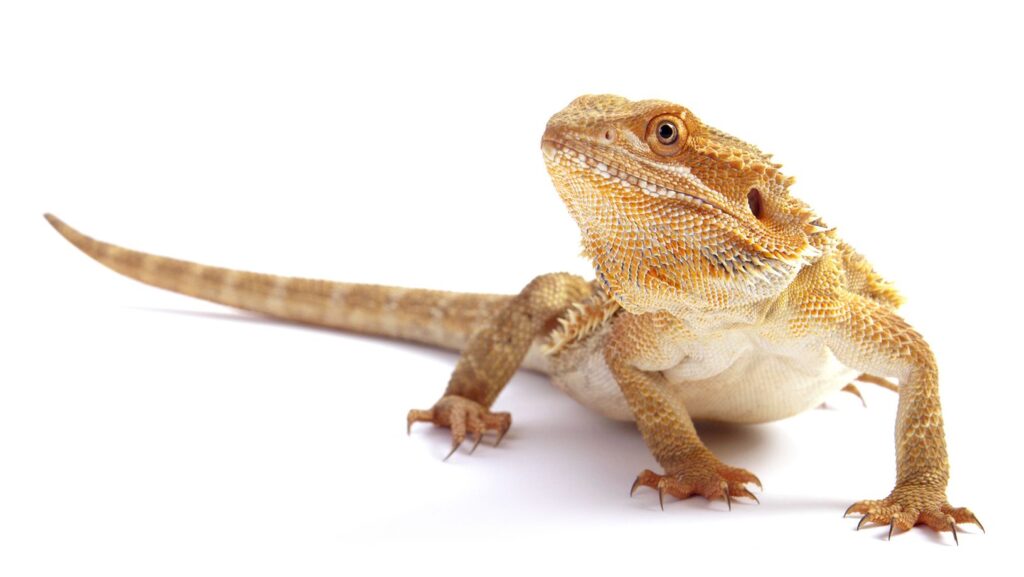
Bearded Dragon Enclosure: The Real-World Guide to a Happy Beardie Home
If you want a healthy, lively bearded dragon, you’ve got to start with the right enclosure. It’s more than just grabbing a glass tank from the pet store. Whether you’re in the USA, UK, Canada, or Australia, setting up your beardie’s home takes some thought. Size, materials, lighting, heating, layout—every bit makes a difference.
This guide has you covered, from picking the right size and style of tank (or vivarium, or cage—whatever you want to call it) to setting up heat, light, and everything else your beardie needs.
So, What’s a Bearded Dragon Enclosure, Anyway?
Basically, it’s a setup that mimics the dry, sunny outback of Australia, where these little guys come from. You’ll hear all sorts of names—bearded dragon tank, beardie terrarium, vivarium, cage—but the goal is the same: give your dragon the space, heat, light, and stimulation it needs to thrive.
How Big Should the Enclosure Be?
Here’s where a lot of new owners trip up—they buy something too small. Beardies might look tiny at first, but they grow fast and need room to move.
What Size Works?
Babies and juveniles: 40–75 gallons will do for a little while.
Adults: Go for at least 120 gallons (4x2x2 feet). Seriously, bigger is better.
Most experienced keepers, no matter where they live, agree that 120 gallons or more gives your dragon space to wander, bask, and just be a lizard. Larger tanks hold heat better, too, and your beardie will be less stressed.
Tank, Vivarium, or Cage—Does It Matter?
Glass Tanks: Super common in North America. You can see your dragon easily, but they lose heat fast—especially if you live somewhere cold.
Vivariums: Usually made of PVC or wood with a sealed inside. These keep heat in and hold humidity well. They’re favorites in places like the UK and Australia.
Front-Opening Cages: These often have sliding or hinged doors. They’re easy to work with and stress your lizard less. A lot of keepers end up switching to these for adult beardies.
Honestly, if you want an easy life, go with a front-opening vivarium once your beardie’s grown up.
Building a Natural Habitat
Your goal is to recreate a slice of the Australian outback—dry, sunny, and safe. At the same time, it should be easy for you to clean and maintain.
What Should You Put in There?
A basking rock or platform
A cool hide
Some sturdy branches for climbing
A solid, non-loose floor (skip loose sand for now)
Food and water bowls
Don’t cram the tank full of stuff. Open space helps your dragon move around and control its body temperature.
Let’s Talk Lighting and Heat
No way around it—beardies need strong, reliable lighting and heat.
UVB Lighting
Your dragon needs UVB to process calcium and keep its bones healthy.
Use a T5 HO UVB tube
Cover at least half the tank with it
Swap out the bulb every 6–12 months
Heating
Basking area: 100–110°F (38–43°C)
Cool side: 75–85°F (24–29°C)
You need this temperature range, whether you’re in sunny Australia or chilly Canada.
Enclosure Materials—What’s Best?
The stuff your tank is made from changes everything—heat, maintenance, how long it lasts.
Glass: Easy to find, not great for holding heat
PVC: Light, tough, keeps heat in well
Wood: Holds heat but needs sealing to stop water damage
More and more keepers are picking PVC these days, especially in the USA and Australia, because it just works.
Good Ventilation and Safety
You want airflow to stop mold and keep your dragon healthy. Plus, you don’t want your beardie escaping or burning itself.
Look for:
Side or back vents
Doors that actually lock
Materials that can handle heat
Cable holes that close up tight
Front-opening is less scary for your dragon—no swooping hands from above.
Picking a Substrate
The floor matters. The wrong stuff can make your dragon sick.
Safe bets:
Ceramic or slate tiles
Non-adhesive shelf liner
Reptile carpet (clean it often)
Loose sand? Not for babies or new owners. It can cause serious health problems.
Tips for Different Places
USA & Canada
Insulate your enclosure to keep heat in during cold months
Thermostats help control basking lamps
UK
PVC or wood holds heat better than glass
Go strong with UVB, since there’s not much sun
Australia
Even indoors, you need UVB and heat
Don’t stick the tank near a window—overheating happens fast
In the end, a proper enclosure makes all the difference. Get it right from the start, and your beardie will thank you—with years of happy head bobs and curious stares.
How to Upgrade Your Bearded Dragon’s Home
If your beardie’s tank feels a little cramped or just plain old, it’s probably time for an upgrade. Here’s what actually helps:
Go bigger with the enclosure. Your dragon needs room to roam.
Pick a front-opening vivarium. It’s easier for both you and your pet.
Make sure the UVB light covers the whole setup.
Add raised basking spots—dragons love a good sunbath up high.
When you dial in your dragon’s environment, you’ll see a difference. They eat better, show off those bright colors, and just seem more alive.
Final Thoughts on Picking the Best Bearded Dragon Enclosure
Setting up a great enclosure isn’t just about giving your dragon a place to stay—it’s about their whole well-being. The right tank or vivarium, enough space, good lighting, and proper heat all add up to a place where your beardie can truly thrive.
No matter where you live—USA, UK, Canada, Australia—a solid, well-built habitat makes everything easier. You get a healthier, happier pet, less stress for you, and honestly, a stronger bond with your dragon. It’s worth it.
products
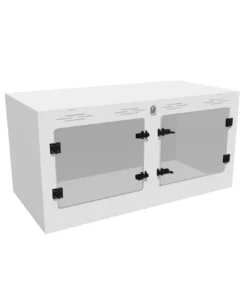
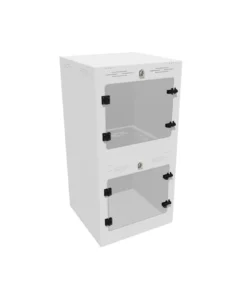
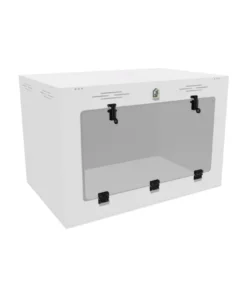
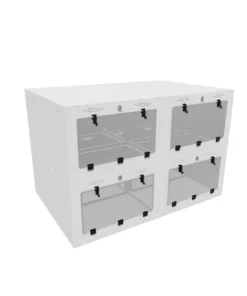
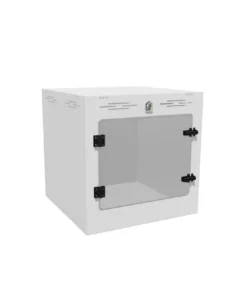
Bearded Dragon Enclosure: Building a Home Your Beardie Will Actually Love
Setting up a great bearded dragon enclosure does way more than just look nice—it shapes your pet’s health, mood, and how long they’ll stick around. Whether you’re about to welcome your first beardie or you’re thinking about giving your old tank a serious upgrade, creating the right setup makes all the difference. You want something that feels like the wild to your dragon, but is still easy for you to take care of.
If you’re in the USA, UK, Canada, or Australia and you’re on the hunt for the best way to house your bearded dragon, let’s break down what you really need—and what you definitely don’t.
Why the Right Enclosure Is a Big Deal
Bearded dragons depend on their environment for just about everything—warming up, digesting food, staying active. If they’re stuck in a cramped, poorly designed cage, you’ll see it: they’ll get sluggish, stop eating, and start having health problems that won’t go away on their own.
So, what does a good beardie enclosure need? Here’s the short list:
– Enough space to move around
– Strong UVB lighting
– Real heat gradients (so they can pick their own temp)
– Safe, solid ventilation
– A setup that feels natural and interesting
Doesn’t matter if you call it a vivarium, cage, or terrarium—the basics are the same.
How Big Should the Enclosure Be?
People ask about size all the time, and for good reason. Beardies grow fast and they need room. Here’s what works:
– Juveniles: 40–75 gallons (just for now)
– Adults: At least 120 gallons (a good 4x2x2 feet)
If you can go bigger, do it. More space means better temperature control and lets your dragon act more like, well, a dragon. In colder places like Canada or the UK, a big tank also keeps the heat steady.
Comparing Tanks, Vivariums, and Cages
Glass Tanks
You’ll see these everywhere in North America. They look good and you can watch your beardie, but honestly, they lose heat fast—especially when it’s cold outside.
Vivariums
Usually made from PVC or sealed wood, these are favorites in the UK and Australia. They hold heat better and usually open from the front, which just makes life easier.
Beardie Cages
These also open from the front, making feeding and cleaning way less stressful for everyone. Great for adult dragons and long-term setups.
For most people, a front-opening vivarium is the way to go. It just checks all the boxes.
Making the Habitat Feel Like Home
Wild bearded dragons live in dry, open spaces—think wide, arid landscapes. That’s the vibe you want indoors.
Must-Haves:
– A raised basking spot
– A hide on the cool side
– Climbing branches or shelves
– Solid, easy-to-clean floor (no loose sand)
– Food and water bowls
Don’t cram it full of stuff. Open space is key for moving around and choosing where to warm up.
Lighting and Heating: Don’t Skimp Here
Lighting and heat are non-negotiable. Get these right or your dragon won’t thrive.
UVB Lighting
– Use a T5 HO UVB tube
– Cover at least half the enclosure
– Swap it out every 6–12 months
Heat
– Basking spot: 100–110°F (38–43°C)
– Cool side: 75–85°F (24–29°C)
Stick to these numbers whether you’re in sunny Australia or chilly Canada.
What’s the Best Material for the Enclosure?
The material matters more than you might think.
– Glass: Easy to find, but not great at holding heat
– PVC: Lightweight, tough, keeps warmth in
– Sealed wood: Insulates well if done right
PVC is becoming the go-to in a lot of places because it’s light, durable, and just works.
Safe Substrate: Keep It Simple
The wrong substrate can seriously harm your dragon. Here’s what’s safe:
– Ceramic or slate tile
– Non-adhesive shelf liner
– Textured reptile mat
Skip loose sand, especially for young dragons or if you’re new to this.
Regional Tips
USA & Canada
– Use thermostats with your heat lamps
– Insulate the enclosure for winter
UK
– PVC or wood beats glass for holding heat
– UVB lighting is extra important
Australia
– Even indoors, you need to control heat and UVB
– Don’t rely on sunlight through a window—it can overheat fast
When It’s Time for an Upgrade
Watch your dragon. If they’re not moving much, not eating, constantly pacing the glass, or you can’t keep the temps right, it’s time to make some changes. A bigger, better setup—and proper lighting—often leads to instant improvements.
Wrapping Up: Give Your Beardie the Best
A bearded dragon enclosure isn’t just a box—it’s your pet’s whole world. When you pick the right setup and get it dialed in, your beardie can relax, explore, and stay healthy.
Wherever you are—USA, UK, Canada, or Australia—investing in a solid habitat pays off. You’ll have a happier dragon and a much easier time taking care of them. Isn’t that what you want?
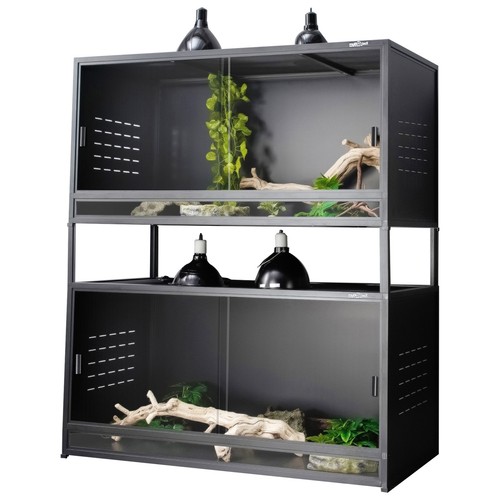
Bearded Dragon Enclosures: Everything You Need to Know About Size, Setup, and Creative Ideas
Picking out the right home for your bearded dragon isn’t just another item on your to-do list—it’s a big deal. The setup you choose shapes your beardie’s health, mood, and even how long they live. Maybe you’re hunting for fresh enclosure ideas, looking to upgrade what you’ve got, or thinking about building one yourself. Either way, nailing the size and layout matters, especially if you live in the USA, UK, Canada, or Australia.
Why Bearded Dragon Enclosure Size Matters
Bearded dragons depend on their environment for just about everything: warming up, soaking in UVB, and feeling safe. Give them a cramped or poorly organized space, and you’ll see it—they get jumpy, sluggish, or sick. But when you set up their enclosure right, they bask, explore, and relax like they would in the wild.
How Big Should a Bearded Dragon Enclosure Be?
People ask this all the time: what size does my bearded dragon really need? It depends on age, but you can’t go wrong planning for a full-grown adult.
Here’s what most reptile experts recommend:
Juveniles: 40 to 75 gallons works for a while, but it’s temporary.
Adults: At least 120 gallons, or a 4x2x2-foot enclosure.
Honestly, bigger is always better. More space means better temperature control and lets your dragon act naturally.
Different Regions, Same Rule
Climate tweaks things a bit:
If you’re in the USA or Canada, a larger enclosure helps keep things warm in winter.
In the UK, a well-insulated vivarium holds basking temps steady.
Australia may be warmer, but indoor setups still need controlled heat and UVB.
No matter where you live, the rule holds: go as big as you can.
What Every Bearded Dragon Enclosure Needs
A proper setup mimics the bearded dragon’s natural, open, and dry habitat—just indoors.
Here’s your must-have list:
A raised basking spot
A hide on the cool side
UVB lights covering about half the enclosure
A heat lamp that hits 100–110°F (38–43°C) in the basking area
A solid, safe substrate (skip loose sand)
Get these basics right, and you’ll keep your beardie active, healthy, and stress-free.
Creative Enclosure Ideas
A little style never hurts. Modern setups mix function with good looks. Try:
Rocky basking shelves
Natural wood branches for climbing
Backgrounds with built-in ledges
Front-opening doors for easy cleaning and handling
These touches make life better for your dragon and make cleaning way easier, too.
DIY Bearded Dragon Enclosures
Plenty of keepers decide to build their own enclosures. It saves cash, lets you customize, and can be just as good (or better) than store-bought.
Some quick DIY tips:
Go with PVC or sealed wood for warmth and easy cleaning
Front-opening doors make life less stressful for your pet (and you)
Add vents on both the warm and cool ends
Secure all lights, wires, and fixtures
Building your own means you can tweak every detail to fit your space and your beardie’s needs.
Safety First
If you’re going the DIY route, don’t cut corners on safety:
Only use reptile-safe materials
Skip untreated wood and anything with sharp edges
Install a thermostat to control heat
Test your temps before your beardie moves in
Done right, your homemade setup will work just as well as anything you’d buy.
Wrapping Up
A great bearded dragon enclosure isn’t just a box—it’s the base for everything your pet needs. Get the size and setup right, try out some practical ideas, and you’ll set your dragon up for a healthy, happy life.
So whether you’re asking about the right size, planning your first build, or just looking to shake things up, focus on giving your beardie space, warmth, and ways to stay busy.
No matter where you are—USA, UK, Canada, or Australia—the right enclosure makes your life easier and your dragon’s life better. That’s really what it’s all about.
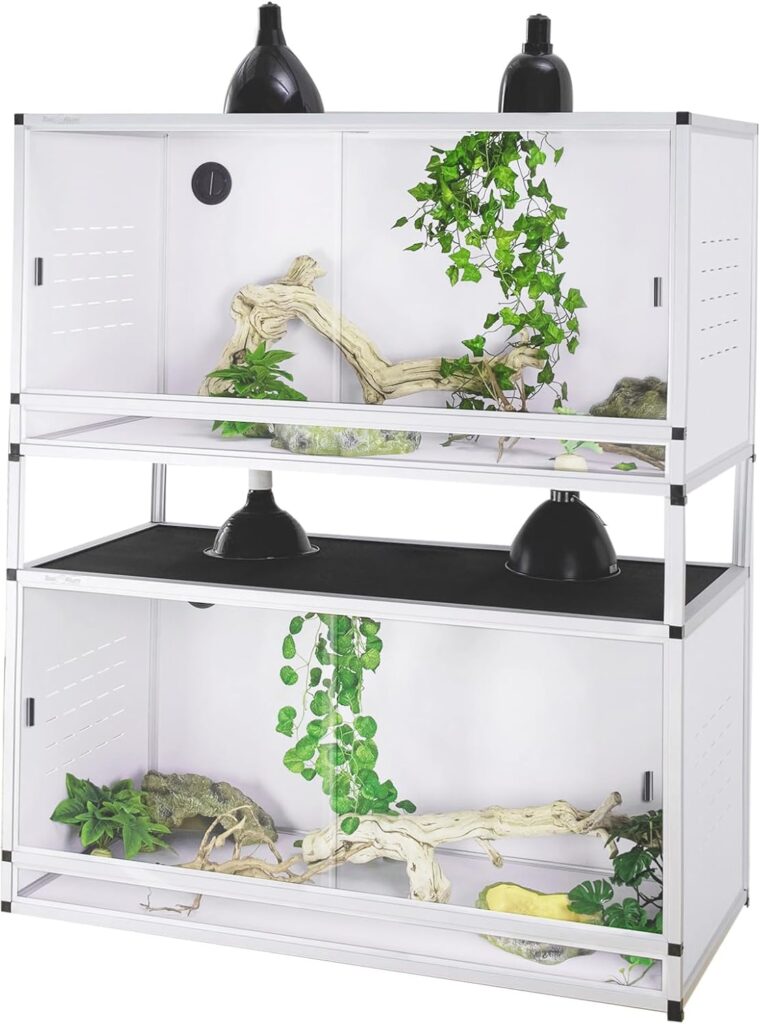
Beardie Cage Guide: Picking a Large Bearded Dragon Enclosure That Actually Works
Finding the right beardie cage isn’t just a box-ticking step—it’s at the heart of good reptile care. Your bearded dragon relies on its enclosure for everything: warmth, UVB light, a place to move around, and a safe spot to chill. Whether you’re setting up your very first habitat or you’re ready to upgrade to something roomier, you need to get the size and layout right. It makes all the difference for your pet’s long-term health.
Let’s break down what you need to know about setting up a bearded dragon tank, choosing the right size, and figuring out what actually works—whether you live in the USA, the UK, Canada, or Australia.
Why the Right Beardie Cage Matters
Think of your beardie’s enclosure as more than just a tank. It’s a mini world you control. If it’s too small or badly set up, your dragon will be stressed, might stop eating, and can have all sorts of health issues. Give them enough space and they’ll bask, explore, and just act like a proper bearded dragon.
These days, keepers focus on space, good airflow, and easy-access doors when shopping for a large enclosure. It’s about making life easier for both you and your pet.
Bearded Dragon Tank Size: What You Need Now
People always ask about tank size, and honestly, it’s one of the most important details. Sure, a juvenile can handle a smaller setup for a while, but adults need way more room.
Here’s what works:
Juvenile Beardies: 40–75 gallons (but just for a little while)
Adult Beardies: At least 120 gallons—or a 4x2x2 ft enclosure
If you want to save money and hassle, just start with a large enclosure. It’s easier to keep the right temperatures too. No need to keep upgrading every year.
Why Go Big? The Perks of a Large Enclosure
A roomy beardie cage isn’t just for looks. It gives you:
Space for proper basking and cooling spots
Less stress—no more frantic glass scratching
Even heat and UVB, so your dragon gets what it needs
Room for cool décor and things to climb on
These perks matter whether your winters are icy or you’re sweating through an Australian summer.
Bearded Dragon Tank Setup: What You Actually Need
You want to recreate that dry, open vibe bearded dragons love. Here’s your basic checklist:
A solid basking platform with a heat lamp overhead
A T5 HO UVB light that covers at least half the tank
A hide on the cool side so your beardie can chill out
Solid substrate like tile or shelf liner (skip the loose stuff)
Thermometer and thermostat to keep things safe
Get these right, and your dragon can manage its own body temp, just like it would in the wild.
Regional Tips: Setup Tweaks for Where You Live
USA & Canada: Insulate the enclosure for winter. Don’t skimp on thermostats.
UK: PVC or wood tanks hold heat better than glass. UVB lighting is non-negotiable.
Australia: You still need to control heat indoors. Don’t stick tanks in direct sun—it can get way too hot.
No matter where you are, the basics don’t change: a big enough tank and strong lighting.
Choosing the Best Beardie Cage Design
If you’re shopping for an adult beardie, front-opening enclosures are the way to go. They make handling, cleaning, and feeding less stressful for both of you. Look for:
Secure locks
Good airflow
Cable ports for lights
Materials that can handle heat and daily use
A good enclosure isn’t just easier to use—it keeps your beardie happier and healthier.
Common Beardie Tank Mistakes (And How to Dodge Them)
Don’t fall into these traps:
Picking a tiny tank to save space or money
Using loose sand as substrate
Not providing enough UVB coverage
Poor ventilation or letting things overheat
Fix these early and you’ll see better activity, more eating, and a healthier pet overall.
Wrapping It Up: What Really Matters
A solid beardie cage paired with a well-thought-out setup is the foundation for a happy, active bearded dragon. Get the right size from the start, invest in a big enclosure, and pay attention to the details. It pays off every single day.
No matter where you live—USA, UK, Canada, Australia—the most successful keepers keep it simple: bigger cages, strong lighting, and smart setups. That’s how you end up with a bearded dragon that’s not just surviving, but thriving.
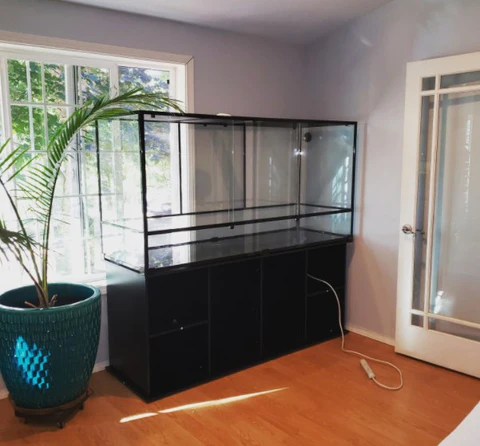
Beardie Cage Setup: How a Big Enclosure Changes Everything for Your Bearded Dragon
A good beardie cage does more than look nice—it completely changes how your bearded dragon lives. When a beardie has low energy or stops eating, the problem usually starts with a cage that’s too small or set up badly.
If you’re building a new habitat or trading up to a bigger tank, here’s what actually works, based on what keepers and reptile vets recommend today.
Why Bigger Is (Almost Always) Better
A lot of new owners grab a small tank because it’s what the store sells. But those small tanks just don’t cut it for adults. When your beardie has room, everything gets better: they can move around, bask, explore, and just be themselves without stress.
People who’ve kept beardies for years notice that tank size changes a lot, like:
How active your dragon is
How well they digest food
How they control their body temperature
Their long-term health
Stick a beardie in a cramped cage, and you’ll see problems with all of these.
Big Tanks: The New Normal
For adult beardies, a large enclosure isn’t just a nice extra—it’s what they need.
What Size Tank Does a Bearded Dragon Need?
Juveniles: 40–75 gallons (but just for a while)
Adults: at least 120 gallons (4x2x2 feet)
A bigger tank makes it way easier to set up heat zones, so your beardie doesn’t get stressed or start glass surfing. Doesn’t matter if you’re in Canada, the UK, Australia, or the US—big is the way to go.
Setting Up Your Bearded Dragon Tank
Function comes first, looks second. Here’s what you need:
A raised basking spot with a heat lamp
A T5 HO UVB bulb that covers at least half the tank
A hide on the cool side
A solid substrate—tile or shelf liner work best
Digital thermometers, so you actually know the temps
When you set things up right, your beardie can move around and pick the spot they need to warm up or cool down. That’s key for their health.
Why Front-Opening Cages Make Life Easier
Most experienced keepers go for front-opening enclosures. They let you handle your dragon from the front instead of reaching in from above, which cuts down on stress. They’re also easier to clean.
When you shop for a beardie cage, check for:
Front doors with strong locks
Good airflow on both the hot and cool sides
Safe cable holes for lights
Materials that won’t melt or crack from heat
All this makes daily care and interacting with your beardie safer and simpler.
Tips for Where You Live
USA & Canada
Use thermostats to keep temps steady
Insulate the cage in winter
UK
Go with PVC or wood instead of glass to keep heat in
You’ll need a strong UVB bulb
Australia
Even indoors, you still need to control heat
Don’t put tanks in direct sun—overheating happens fast
No matter where you are, the basics don’t change: give them space and proper lighting.
Mistakes That Cause Problems (and Are Easy to Fix)
Even old pros mess these up sometimes:
Going with the smallest tank you can get away with
Using loose sand
Not enough UVB
Cramming too much stuff in the tank
Fix these, and you’ll usually see your beardie perk up in just a few days.
Final Thoughts: Build It Right from the Start
A solid beardie cage is the backbone of good care. Get the right size tank, pick a big enclosure, and follow a setup that actually works. Your bearded dragon gets to live how they’re meant to—and you get to enjoy a healthier, happier pet.
All over the world, from the US to the UK to Australia, the keepers with thriving beardies stick to one rule: more space, better lighting, and a smart setup make all the difference.
What Our Costumers are saying about Us
I just came across bestbeardeddragonenclosure.com while I was hunting for a roomy cage for my adult bearded dragon. The site’s product gallery looked simple and easy to scroll through, and they actually offer a bunch of different enclosure sizes—which makes planning for the future way easier. Honestly, most people say it’s better to get a proper reptile enclosure right from the start, instead of messing around with tiny tanks and upgrading every time your dragon gets bigger.
When browsing for a large bearded dragon enclosure, I came across bestbeardeddragonenclosure.com, and the visuals of some terrarium setups looked promising. The idea of a dedicated site just for beardie habitats is appealing, especially for new owners who want a ready-made tank setup.
I checked out bestbeardeddragonenclosure.com while looking for a better home for my beardie. The whole site zeroes in on enclosures instead of just tossing in random reptile gear, which tells me they really care about what bearded dragons actually need. If you want a serious setup, that’s definitely a plus.
-
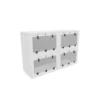 6'x2'x4' - Arboreal Swing Down - ION
$1,550.00
6'x2'x4' - Arboreal Swing Down - ION
$1,550.00 -
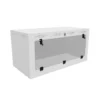 4'x2'x2' - Single Swing Down - NOVA
$599.00
4'x2'x2' - Single Swing Down - NOVA
$599.00 -
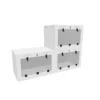 6'x2'x4' - Terrestrial Arboreal Hybrid Swing Down - ION
$1,200.00
6'x2'x4' - Terrestrial Arboreal Hybrid Swing Down - ION
$1,200.00 -
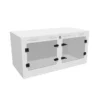 4'x2'x2' - Double Swing Out - NOVA
$599.99
4'x2'x2' - Double Swing Out - NOVA
$599.99 -
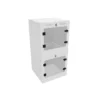 2'x2'x4' - Arboreal Swing Out - ALTA
$550.00
2'x2'x4' - Arboreal Swing Out - ALTA
$550.00 -
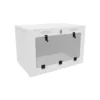 3'x2'x2' - Swing Down - ION
$499.99
3'x2'x2' - Swing Down - ION
$499.99 -
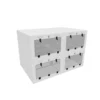 6'x4'x4' - XXL Swing Down - ION
$2,750.00
6'x4'x4' - XXL Swing Down - ION
$2,750.00 -
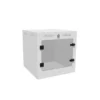 2'x2'x2' - Swing Out - ALTA
$340.00
2'x2'x2' - Swing Out - ALTA
$340.00